
Cultural influences on gambling behavior across different societies
Understanding Gambling in Cultural Context
Gambling is not merely a pastime; it is a complex social phenomenon deeply rooted in cultural practices and beliefs. Different societies perceive gambling through varied lenses, influenced by historical, religious, and social factors. In some cultures, gambling is embraced as a form of entertainment and social interaction, while in others, it is viewed with suspicion or outright disapproval. For those looking to explore their options, Lizaro provides various resources that integrate gaming with these cultural contexts, making it essential to grasp how gambling behaviors manifest globally.

In cultures where luck and chance are integral to folklore, gambling often thrives. Celebrations, festivals, and rituals may incorporate games of chance, reinforcing community bonds and providing a sense of shared experience. Conversely, societies with strong religious or moral prohibitions against gambling may develop social stigmas that discourage participation and even criminalize certain forms of betting. These contrasting perspectives highlight the importance of cultural attitudes in shaping gambling behavior.
The Role of Religion in Gambling Practices
Religion plays a significant role in shaping gambling behavior across societies. In cultures where gambling is seen as a sin or morally objectionable, such as in some interpretations of Christianity and Islam, strict laws often regulate or prohibit it. In these contexts, gambling can be stigmatized, leading to hidden practices that occur outside of societal norms. This creates a duality where individuals may still engage in gambling but do so in secret to avoid social repercussions.
On the other hand, certain cultures view gambling as an acceptable or even encouraged activity. For example, in many Asian societies, games of chance are part of festive occasions and are associated with prosperity and luck. Festivals may include various betting games that are not only socially acceptable but also a means to attract good fortune. This stark contrast illustrates how religious beliefs can profoundly influence gambling behaviors.
Social Influences and Peer Dynamics
Social structures and peer dynamics also play a crucial role in gambling behavior. In many communities, the acceptance or rejection of gambling is heavily influenced by social circles. Friends and family can either encourage participation in gambling activities or deter individuals based on their own beliefs and experiences. In cultures where gambling is a social norm, individuals may be more likely to engage in it as a way to bond with others.
Moreover, peer pressure can significantly impact how individuals approach gambling. In societies where gambling is celebrated, the desire to fit in or be part of a group can lead to increased participation. Conversely, in more conservative societies, the fear of judgment may dissuade individuals from engaging in gambling, even if they have an interest. These social dynamics underscore the importance of community values in shaping personal choices regarding gambling.
Economic Factors and Gambling Behavior
The economic landscape of a society greatly influences gambling behavior. In affluent societies, gambling can be viewed as an additional source of entertainment, with individuals participating in various forms of gaming without significant concern for the financial implications. Here, gambling is often marketed as a leisure activity, complete with high-end casinos and luxurious experiences.
Conversely, in economically disadvantaged areas, gambling may be perceived as a means of financial escape or survival. In these contexts, individuals may gamble with the hope of striking it rich, often leading to risky behaviors and financial distress. This relationship between economic status and gambling behavior illustrates how financial realities can shape an individual’s approach to risk and reward in gambling.
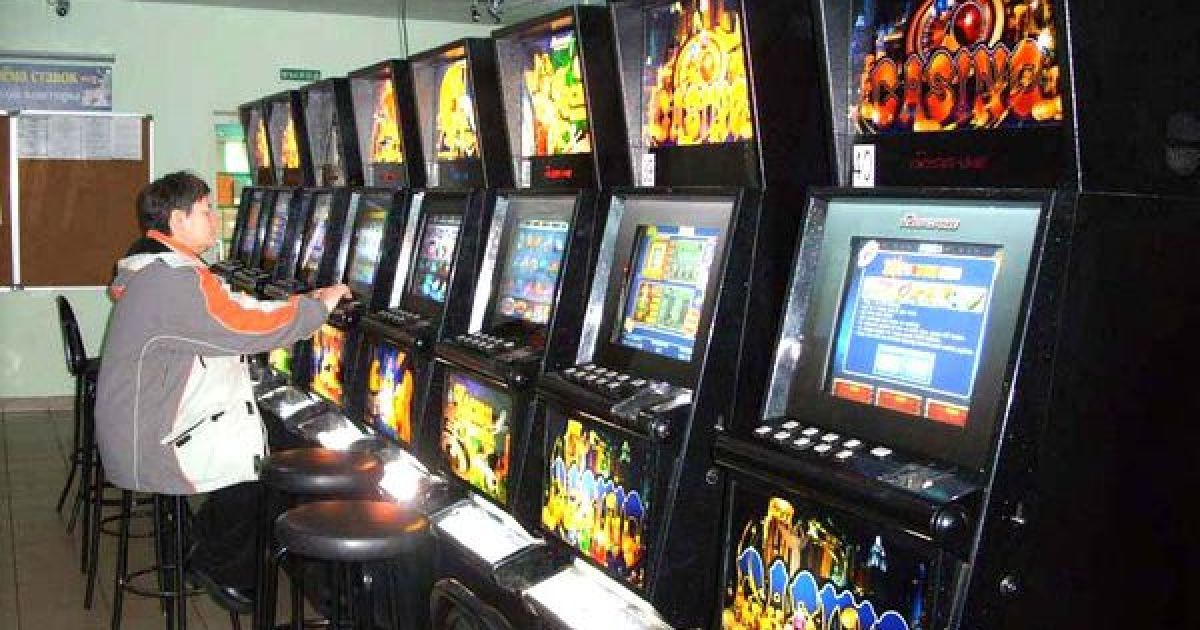
Exploring Online Gambling and Cultural Adaptations
The rise of online gambling has introduced new cultural dynamics into traditional gambling practices. Platforms like Lizaro Casino cater to diverse cultural preferences, allowing players from various backgrounds to engage in gambling while respecting their unique cultural identities. This adaptability can help bridge cultural gaps and create an inclusive gaming environment.
As societies become more interconnected through technology, the cultural exchange surrounding gambling will likely continue to evolve. Online platforms can offer tailored experiences that resonate with local customs and beliefs, thereby enhancing user engagement. By acknowledging cultural nuances, online casinos can play a crucial role in shaping the future of gambling behavior across different societies.